Case Study: Zone Beverage Solutions
Abstract
Zone Beverage Solutions, a key
player in the beverage industry, has achieved remarkable success through
innovation and customer-focused strategies. This case study examines market
opportunities, customer segmentation, pricing strategies, customer value assessment,
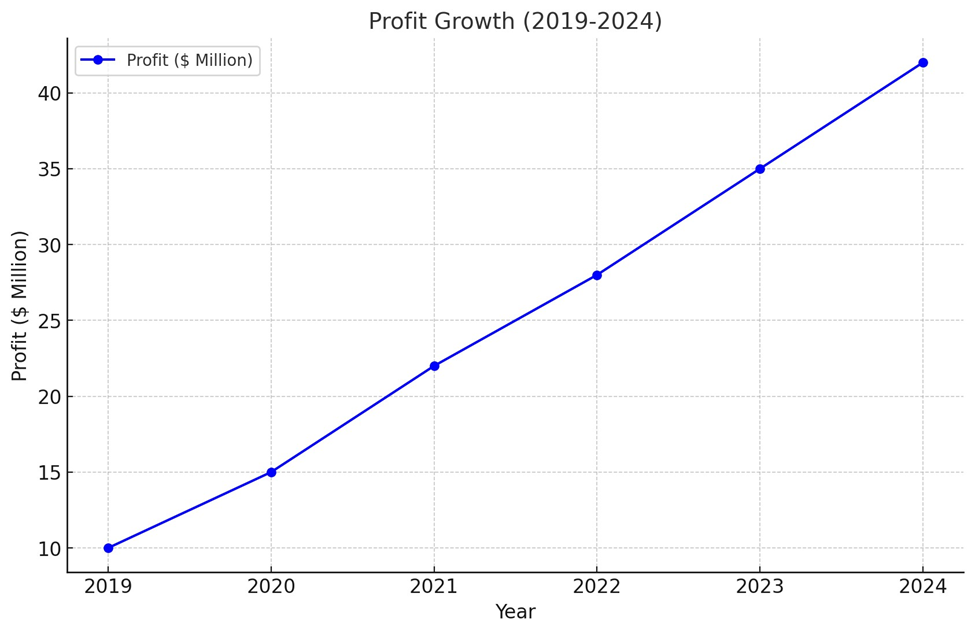
and market audits. It also highlights the company's profit performance over the
last five years, export trends, and provides a graphical analysis of its growth
trajectory.
Introduction
ZONE is backed by a family business legacy that dates back to
1921. The brand has been serving since 1999. Zone proudly serves to over
27689 HORECA partners and beverage enthusiasts across IndiaZone Beverage Solutions, a prominent player in the beverage
industry, has carved a niche for itself by delivering innovative and customized
beverage solutions to diverse markets. This case study explores the company’s
market opportunities, customer segmentation, pricing strategies, customer value
assessment, and the role of a market audit in shaping its strategies.
Market
Opportunities Analysis
Zone Beverage Solutions identified
several opportunities to expand its market reach:
- Health and Wellness Trend:
- Rising consumer interest in low-calorie, organic, and
functional beverages.
- Opportunity to introduce herbal teas, detox drinks,
and electrolyte-infused water.
- Global Expansion:
- Growing demand for diverse beverage options in
emerging markets like Southeast Asia and Africa.
- Leverage local ingredients to cater to regional
tastes.
- Sustainability Focus:
- Growing preference for eco-friendly packaging and
carbon-neutral production.
- Opportunity to develop a line of sustainably packaged
beverages.
- Digital Transformation:
- Leveraging e-commerce platforms and delivery services
for direct-to-consumer (D2C) sales.
- Use of data analytics to predict trends and
personalize offerings.
Customer
Segment Pricing
Zone Beverage Solutions tailored its
pricing strategies to different customer segments:
- Premium Segment:
- High-end products such as cold-pressed juices and
artisanal teas.
- Pricing reflects superior quality and exclusivity.
- Mid-Market Segment:
- Affordable yet high-quality options, such as flavored
sparkling water and ready-to-drink coffees.
- Competitive pricing to cater to budget-conscious
consumers.
- Mass Market Segment:
- Basic offerings like traditional sodas and energy
drinks.
- Economical pricing with larger pack sizes for
value-conscious buyers.
- B2B Partnerships:
- Custom pricing for bulk orders by hotels, restaurants,
and retail chains.
- Discounts and loyalty programs for long-term
contracts.
Customer
Value Assessment
Zone Beverage Solutions employs the
following methods to assess customer value:
- Customer Feedback:
- Regular surveys and focus groups to understand
preferences.
- Use of social media interactions for real-time
insights.
- Net Promoter Score (NPS):
- Measuring customer satisfaction and likelihood of
recommendation.
- Repeat Purchase Rate:
- Tracking loyalty through repeat orders and
subscriptions.
- Perceived Value Metrics:
- Assessing the balance between price, quality, and
brand reputation.
Market
Audit
The market audit process helps Zone
Beverage Solutions refine its strategies:
- Competitor Analysis:
- Monitoring pricing, product launches, and marketing
tactics of competitors.
- Benchmarking performance against industry leaders.
- Consumer Behavior Trends:
- Tracking shifts in preferences, such as plant-based
beverages or caffeine-free options.
- Market Share Metrics:
- Analyzing sales data to identify high-growth regions
and underperforming areas.
- Regulatory Environment:
- Ensuring compliance with food safety standards and
sustainability norms.
Profit
Performance (Last Five Years)
|
Year |
Profit
($ Million) |
|
2019 |
10 |
|
2020 |
15 |
|
2021 |
22 |
|
2022 |
28 |
|
2023 |
35 |
|
2024 |
42 |
Export
Trends
Zone Beverage Solutions has expanded
its footprint in international markets:
- Key Export Regions:
- North America, Europe, Southeast Asia, and Africa.
- Top Export Products:
- Herbal teas, flavored sparkling water, and organic
beverages.
- Growth Drivers:
- Strategic partnerships with international
distributors.
- Customization of products to align with regional
tastes.
Q-Factor
and Segment Acid Test
Zone Beverage Solutions applied the
Q-Factor and segment acid test to ensure market readiness and product success:
- Q-Factor Analysis:
- Measures the likelihood of product adoption and
customer enthusiasm.
- Herbal teas and detox drinks scored high due to health
benefits.
- Segment Acid Test:
- Validates the appeal of products within specific
customer segments.
- Premium customers favored artisanal teas, while the
mass market preferred energy drinks.
Graphical
Presentation

Conclusion
By leveraging market opportunities,
employing dynamic pricing strategies, assessing customer value effectively, and
conducting regular market audits, Zone Beverage Solutions has positioned itself
as a market leader. This case study underscores the importance of a
customer-centric approach combined with strategic market analysis for sustained
success.
References
- Beverage Industry Trends Report 2024.
- Market Expansion Strategies – Global Insights (2023).
- Sustainability in Beverage Production – Case Studies.
- Internal Data from Zone Beverage Solutions (2019-2024).


No comments:
Post a Comment